

by Russell Noga | Updated September 7th, 2025
No, Kaiser Permanente does not accept Medicare Supplement plans (Medigap). If you are looking to supplement your Medicare coverage through Kaiser, you’ll need to consider other options like their Medicare Advantage plans. This article explains why Medigap plans aren’t compatible with Kaiser and explores the alternatives available for comprehensive healthcare coverage, including whether or not Kaiser accepts Medicare Supplement plans. Additionally, it addresses the question: Does Kaiser accept Medicare Supplement plans?
Key Takeaways
- Kaiser Permanente does not accept Medicare Supplement (Medigap) policies, as their integrated HMO structure differs from the traditional insurance model.
- Beneficiaries looking for comprehensive coverage with Kaiser should consider Kaiser Permanente Senior Advantage Medicare Advantage plans instead of Medigap.
- Enrollment in a Medigap policy requires being enrolled in Medicare Part A and B, with the best time to enroll being during the Medigap Open Enrollment Period to avoid health underwriting issues.
Compare 2025 Plans & Rates
Enter Zip Code
Understanding Medicare Supplement Plans

Medicare Supplement Insurance, commonly known as Medigap, is designed to help pay for out-of-pocket expenses that Original Medicare does not cover, such as copayments, coinsurance, and deductibles. These plans, sold by private insurance companies, provide additional medical insurance coverage to make healthcare costs more predictable for beneficiaries.
Medigap policies are standardized across providers, meaning that each lettered plan (A through N) offers the same basic benefits regardless of the insurance company. This standardization simplifies the comparison process, allowing beneficiaries to focus on premiums and customer service when choosing a provider. However, the costs of these plans can vary significantly based on the insurer and the geographic location.
In addition to covering Medicare Part A and Part B copayments, coinsurance, and deductibles, some Medigap plans offer benefits that Original Medicare does not provide. For example, certain plans include coverage for overseas emergency healthcare, a valuable feature for frequent travelers.
To qualify for a Medigap policy, you must first be enrolled in Medicare Part B. This prerequisite allows eligible Medigap plans to effectively supplement Original Medicare, providing a more comprehensive healthcare package.
Kaiser Permanente and Medigap Policies
When considering healthcare options, many people wonder if they can use Medicare Supplement Plans with Kaiser Permanente. The short answer is no; Kaiser Permanente does not accept Medigap policies. This can be a critical factor for those who are already Kaiser members and are looking to supplement their Medicare coverage.
Medigap plans are not usable with Kaiser Permanente’s health plans because Kaiser operates differently compared to traditional insurance models. Kaiser Permanente is an integrated health maintenance organization (HMO), which means it provides care through its own network of doctors, hospitals, and facilities. The unique structure of Kaiser’s plans does not align with the way Medigap policies are designed to work, which is to fill gaps in Original Medicare. Kaiser HMO plans exemplify this difference.
Those committed to Kaiser Permanente in California should explore other coverage options. Kaiser offers various Medicare Advantage plans, known as Kaiser Permanente Senior Advantage, which provide comprehensive benefits tailored to diverse healthcare needs. Examining these alternatives can help you make an informed choice.
Differences Between Medicare Advantage and Medigap
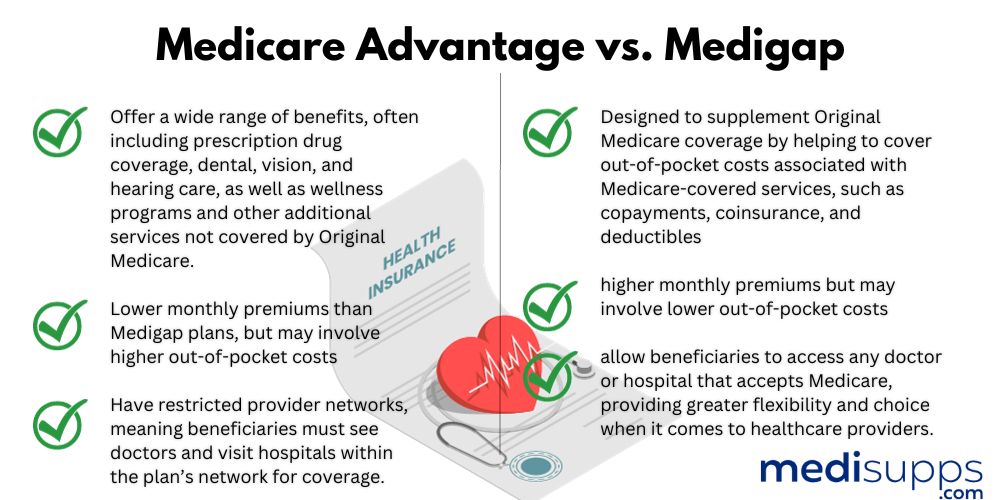
Choosing between Medicare Advantage plans and Medigap policies can be challenging, as each option offers distinct benefits and drawbacks. A Medicare plan, such as Medicare Advantage, is managed by private insurers and often includes additional benefits beyond Original Medicare, such as prescription drug coverage, dental, vision, and hearing services, as well as medicare benefits. These plans can also have lower premiums compared to Medigap plans, though they may involve higher out-of-pocket costs.
Medicare Advantage plans can be attractive due to their comprehensive coverage and additional benefits, but they also come with network restrictions. You must use healthcare providers within the plan’s network, which can limit your choice of doctors and hospitals. Additionally, some Medicare Advantage plans provide coverage for services when traveling outside the United States, a feature not typically included in Original Medicare.
On the other hand, Medigap policies are designed solely to supplement Original Medicare by covering out-of-pocket costs like copayments, coinsurance, and deductibles. Unlike Medicare Advantage plans, Medigap policies do not include additional benefits such as prescription drug coverage or dental services. However, they offer the flexibility to see any doctor or specialist who accepts Medicare, without the need for referrals or network restrictions.
When deciding, evaluate your healthcare needs, including preferred providers and potential out-of-pocket costs in Oregon. Grasping these differences can assist you in making a decision aligned with your primary care provider and healthcare priorities.
Enrollment in Medicare Supplement Plans
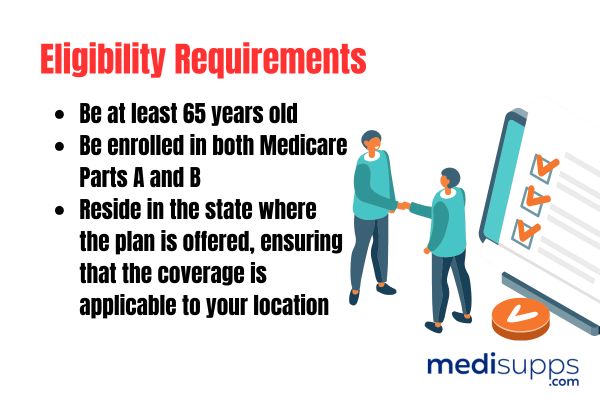
Enrolling in a Medicare Supplement Plan requires careful timing and meeting specific eligibility criteria. You must be enrolled in both Medicare Part A and Part B. The ideal time to enroll is during the Medigap Open Enrollment Period, which lasts six months starting from the month you turn 65 and sign up for Part B.
During this Open Enrollment Period, you have the guaranteed right to buy any Medigap policy available in your area, regardless of your health status. This period is crucial because once it ends, you may face medical underwriting, which could result in higher premiums or denial of coverage based on pre-existing conditions.
If you are switching from a Medicare Advantage Plan to Original Medicare, you have specific rights to purchase a Medigap policy. Additionally, if your Medicare Advantage Plan ends, you can apply for a Medigap policy within 60 days before or up to 63 days after your coverage termination. Understanding these enrollment windows ensures that you can secure the best possible coverage without unnecessary delays.

Compare Medicare Plans & Rates in Your Area
Costs Associated with Medicare Supplement Plans
Grasping the costs associated with Medicare Supplement Plans is crucial for budgeting and financial planning. Policyholders typically pay a monthly premium for their Medigap coverage in addition to their Medicare Part B premium. The premium amount varies based on the specific Medigap plan, the insurance company, and individual factors such as age and location.
The premiums for Medigap policies can vary significantly, so it’s important to compare plans and providers to find the best value. Some Medigap plans, such as Plans K and L, offer lower premiums but have higher out-of-pocket costs until the out-of-pocket maximum is reached. This structure allows beneficiaries to choose a plan that best fits their financial situation and healthcare needs.
In addition to premiums, Medigap policies may include deductibles that must be paid out-of-pocket before the health plan starts covering certain services. Some plans offer additional benefits, such as coverage for healthcare services received abroad, which can further reduce out-of-pocket expenses. Carefully reviewing these costs and benefits can help you select the most cost-effective plan.
Choosing the Right Plan for Your Needs

Choosing the right Medicare Supplement Plan involves thoroughly evaluating your healthcare needs and financial situation. Certain Medigap plans cover the deductible amounts for Medicare Part A and B, reducing your out-of-pocket expenses, which is beneficial for frequent healthcare users.
Consider your current and anticipated healthcare needs when selecting a plan. Regular reviews with a Kaiser Permanente representative can help maximize your Medicare Supplement Plan benefits. This ongoing assessment ensures your plan continues to meet your evolving healthcare requirements.
Consider factors such as premiums, out-of-pocket costs, and additional benefits when selecting a Medigap plan. Evaluating these elements allows you to choose a plan that offers appropriate coverage while managing your healthcare expenses effectively.
How to Use Medicare Supplement Plans with Kaiser Permanente
Using Medicare Supplement Plans with Kaiser Permanente can be challenging since Kaiser does not accept Medigap policies. However, there are methods to navigate this. First, confirm that your Medigap policy complements Kaiser’s coverage, even if it’s not accepted directly. Understand what each plan covers and how they can work together.
Consulting a Kaiser Permanente Medicare specialist can clarify benefits and ensure proper usage of your supplement plans. These specialists provide detailed guidance on maximizing your coverage and making informed healthcare decisions.
Additionally, certain Medigap policies may require the use of specific hospitals or doctors within a network to receive full benefits. Understanding these requirements can help you avoid unexpected costs and ensure you receive the care you need.
Compare 2025 Plans & Rates
Enter Zip Code
Summary
In conclusion, understanding the intricacies of Medicare Supplement Plans and their compatibility with providers like Kaiser Permanente is crucial for making informed healthcare decisions. While Kaiser does not accept Medigap policies, exploring alternatives such as Medicare Advantage plans can provide comprehensive coverage tailored to your needs. Regularly evaluating your healthcare requirements and consulting specialists can help you choose the right plan and maximize your benefits.
Making the right choice about your healthcare coverage can significantly impact your financial stability and overall well-being. Stay informed, ask questions, and take advantage of the resources available to you. By doing so, you can navigate the complexities of Medicare with confidence and peace of mind.
Frequently Asked Questions
Does Kaiser Permanente accept Medicare Supplement Plans (Medigap)?
Kaiser Permanente does not accept Medicare Supplement Plans (Medigap). It is advisable to consider Medicare Advantage plans for additional coverage options.
What are the key differences between Medicare Advantage and Medigap?
The key difference between Medicare Advantage and Medigap is that Medicare Advantage plans provide extra benefits and have network restrictions, whereas Medigap policies supplement Original Medicare and allow greater flexibility in choosing healthcare providers.
When is the best time to enroll in a Medigap plan?
The best time to enroll in a Medigap plan is during the Medigap Open Enrollment Period, which begins the month you turn 65 and enroll in Medicare Part B, lasting for six months. Enrolling during this time ensures you receive the best options without medical underwriting.
What costs are associated with Medigap policies?
Medigap policies involve a monthly premium in addition to the Medicare Part B premium, as well as potential deductibles and other out-of-pocket expenses based on the chosen plan. It’s essential to assess these costs to ensure they fit your budget.
How can I choose the right Medigap plan for my needs?
To choose the right Medigap plan, assess your healthcare needs alongside premiums and out-of-pocket costs, and consult with a Medicare specialist for tailored advice. This approach ensures you select a plan that aligns with your financial and health requirements.
Speak to the Professionals about Medigap Plans and Original Medicare
If you find understanding the benefits involved with Original Medicare and Medigap Plans challenging, you’re not alone. Whether it’s a Medigap plan, or you want to know more if Kaiser Accepts Medicare Supplement Plans, we can help. Call our team at 1-888-891-0229 for a free consultation or complete the contact form on this site, and an expert will call you back at a convenient time.
We have decades of experience advising our clients on the complexities of Medicare and Medigap plans, the benefits, costs and deductibles. We’ll ensure you get the best rate in your state and advice you can trust.


Russell Noga is the CEO and Medicare editor of Medisupps.com. His 15 years of experience in the Medicare insurance market includes being a licensed Medicare insurance broker in all 50 states. He is frequently featured as a featured as a keynote Medicare event speaker, has authored hundreds of Medicare content pages, and hosts the very popular Medisupps.com Medicare Youtube channel. His expertise includes Medicare, Medigap insurance, Medicare Advantage plans, and Medicare Part D.