

by Russell Noga | Updated August 11th, 2025
Looking for the best Medicare Supplement Plans Wyoming 2026? This article breaks down the top options like Plan G, Plan N, and Plan F, detailing their benefits, costs, and changes to expect. Understand your healthcare choices better and find the plan that fits your needs in 2026.
Key Takeaways
- Medicare Supplement Plans, or Medigap, help cover out-of-pocket costs not covered by Original Medicare and include services for international medical care.
- Plan G, Plan N, and Plan F are top options in Wyoming for 2026, each offering distinct coverage levels and cost structures to meet varied healthcare needs.
- Beneficiaries should enroll during the open enrollment period to secure coverage without medical underwriting, and changes to out-of-pocket costs and drug pricing are expected in 2026.
Compare 2026 Plans & Rates
Enter Zip Code
Understanding Medicare Supplement Plans in Wyoming

Medicare Supplement Insurance, also known as Medigap, is a vital health insurance policy designed to bridge the financial gaps left by Original Medicare. These gaps include costs like deductibles, copayments, and coinsurance, which can add up quickly and become a financial burden for beneficiaries. Additionally, some Medigap plans offer coverage for services like medical care when traveling outside the U.S., providing an extra layer of protection.
In Wyoming, Medigap policies are subject to both federal and state regulations, ensuring that they comply with specific standards to protect consumers. Individuals must be enrolled in both Medicare Parts A and B to purchase a Medigap policy, so understanding eligibility and enrollment requirements is crucial.
Filling these gaps, Medigap plans provide peace of mind and financial security, especially in Wyoming where healthcare access can be limited.
Top Medicare Supplement Plan Options for 2026
As we look ahead to 2026, three Medicare Supplement Plans stand out in Wyoming for their extensive benefits: Plan G, Plan N, and Plan F. Each of these plans offers unique advantages tailored to different needs and budgets.
Plan G is renowned for its comprehensive coverage, Plan N for its cost-effectiveness, and Plan F remains a legacy option for those eligible before 2020. Knowing the specifics of each plan aids in deciding which one suits your healthcare needs best.
Plan G: Comprehensive Coverage
Plan G stands out among Medicare Supplement Plans for its extensive coverage options. This plan covers not only the Medicare Part A coinsurance but also pays for the coinsurance costs of Medicare Part B, making it a favorable option for those seeking comprehensive coverage. Additionally, Plan G covers Medicare Part B excess charges, which can be a significant advantage for beneficiaries who require frequent and varied medical services.
The comprehensive nature of Plan G makes it a preferred choice for older adults aiming for thorough protection against healthcare costs. By covering almost all out-of-pocket expenses, it provides a robust safeguard against unpredictable medical expenses. Plan G is an excellent choice for 2026 for those valuing peace of mind and financial predictability.
Plan N: Cost-Effective Option
Plan N is a standout for its lower monthly premiums while still covering a significant portion of out-of-pocket expenses. This plan is designed to lower out-of-pocket expenses, providing substantial savings while covering most essential medical costs. However, it requires beneficiaries to pay co-pays for certain healthcare services, such as doctor visits and emergency room visits, which can still be a cost-effective trade-off for lower premiums.
Budget-conscious individuals seeking adequate coverage will find Plan N offers a balanced approach. It provides the necessary coverage for most healthcare services while keeping monthly premiums affordable. This makes Plan N a great option for those who can manage occasional out-of-pocket costs in exchange for lower overall premiums.
Plan F: Legacy Plan for Eligible Beneficiaries
Plan F is known for offering the most comprehensive coverage available among Medicare Supplement Plans. It covers all expenses from deductibles, copayments, and coinsurance for Medicare services, leaving beneficiaries with minimal out-of-pocket costs. This extensive coverage makes Plan F highly attractive for those who seek the utmost financial protection.
However, Plan F is only available to individuals who were eligible for Medicare before January 1, 2020. For those who qualify, it remains a legacy plan that provides complete coverage, ensuring that beneficiaries face no unexpected medical bills. Its comprehensive nature and legacy status make Plan F a unique and valuable option for eligible beneficiaries looking for extensive coverage.
Comparing Costs of Medicare Supplement Plans in Wyoming

When comparing the costs of Medicare Supplement Plans in Wyoming, it’s important to note that Medigap monthly premium can vary widely based on factors such as age and health. In Wyoming, these premiums typically range from $74 to $391 per month, depending on the specific plan and the insurance provider. While the premiums for Medicare Supplement Plans are generally higher than those for Medicare Advantage Plans, they often result in lower overall out-of-pocket costs, providing significant financial relief for beneficiaries.
Deductibles for certain Medigap plans can also influence the overall cost structure. For instance, some plans may have higher monthly premiums but lower deductibles, while others may offer lower premiums but higher deductibles. This range of options allows beneficiaries to choose a plan that aligns with their financial situation and healthcare needs.
In Wyoming, beneficiaries have access to a variety of Medigap policies, which fosters competitive pricing among insurers. This competition can result in more affordable premiums and better coverage options for consumers. Medigap plans cover most out-of-pocket expenses not covered by Original Medicare, providing a valuable safety net against unexpected medical bills.

Compare Medicare Plans & Rates in Your Area
How to Choose the Right Medicare Supplement Plan

Selecting the right Medicare Supplement Plan requires careful consideration of several factors. First and foremost, beneficiaries should assess their budget to ensure they can afford the premiums and out-of-pocket costs associated with their chosen plan. Reviewing the plan’s coverage of pre-existing conditions is also crucial, as this can affect eligibility and the extent of benefits received.
Anticipating future healthcare needs is another important aspect of selecting a Medicare Supplement Plan. Considering potential future medical expenses helps beneficiaries choose a plan that offers the best long-term financial protection. Medigap plans also offer guaranteed renewability, ensuring coverage remains intact regardless of health changes, providing long-term security and peace of mind.
Enrollment Periods and Eligibility for 2026
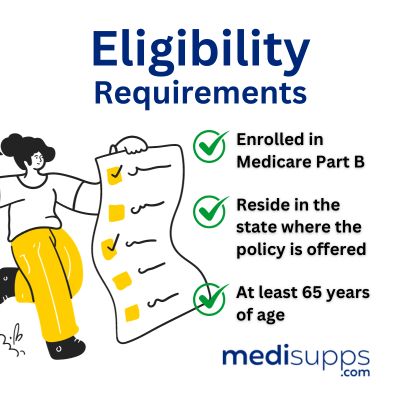
The best time to enroll in a Medigap plan is during the open enrollment period, which begins when a beneficiary turns 65 or enrolls in Medicare Part B. During this six-month period, federal law prohibits insurers from requiring medical underwriting, ensuring that beneficiaries can obtain coverage regardless of their health status. This period is crucial for securing the best rates and coverage options without facing potential rejections or higher premiums due to pre-existing conditions.
Special Enrollment Periods allow beneficiaries to adjust their Medicare coverage during specific life events, like moving out of a plan’s service area or losing other health coverage. Knowing these periods and their eligibility requirements is crucial for maintaining continuous and adequate healthcare coverage.
Special Enrollment
Special Enrollment Periods provide flexibility for beneficiaries who experience specific life events. For instance, if you move out of your plan’s service area or lose other insurance, you can change your Medicare coverage without penalty. Two main types of Special Enrollment Periods exist: a two-month window for those with existing Medicare experiencing qualifying events, and an eight-month period for those delaying Medicare due to credible coverage, like employer insurance.
Qualifying life events for the two-month Special Enrollment Period include moving, plan closure, and changes in eligibility for financial assistance programs. For individuals working past the age of 65, the eight-month Special Enrollment Period allows enrollment in Medicare Parts A, B, C, and D without penalties once employer coverage ends.
The first two months are particularly important for enrolling in Part C or D without incurring late penalties.
Is there an Open Enrollment after the initial enrollment
After joining a Medicare Advantage Plan, beneficiaries typically cannot change plans until the next Open Enrollment Period, which runs from October 15 to December 7 each year. However, if you signed up for Medicare during the Initial Enrollment Period, you have a three-month window to switch plans. This flexibility is crucial for those who may need to adjust their coverage shortly after enrollment.
Special Enrollment Periods also permit beneficiaries to change Medicare plans due to specific life events, such as moving or losing other health coverage.
Starting in August 2026, an annual open enrollment period for Medicare Supplement Plans will allow eligible individuals to buy or switch plans without medical underwriting. This period provides another opportunity for beneficiaries to optimize their coverage.
Benefits of Medicare Supplement Plans Over Medicare Advantage Plans

Medicare Supplement Plans, or Medigap policies, offer several advantages over c medicare advantage plans. One of the most significant benefits is the flexibility to choose any healthcare provider that accepts Medicare, without being limited to a network. This unrestricted access allows beneficiaries to see specialists and receive care from providers of their choice, enhancing the overall healthcare experience.
Medigap policies do not require specialist referrals, simplifying access to specialized care compared to Medicare Advantage Plans. Additionally, while Medigap plans may have higher monthly premiums, they often result in lower overall out-of-pocket costs, providing financial predictability and peace of mind.
These advantages make Medigap plans appealing for those seeking comprehensive and flexible healthcare coverage.
Additional Benefits and Services Included in Medigap Plans
Medigap plans often include additional benefits and services that enhance their value. For example, certain Medigap plans cover foreign travel emergency services, providing necessary medical care when traveling outside the U.S. This coverage is typically limited to the first 60 days of travel and requires a $250 deductible, after which the plan pays 80% of the costs, up to a lifetime cap of $50,000.
These additional benefits can be particularly valuable for frequent travelers who want peace of mind knowing they are covered abroad. Other services covered by Medigap plans may include skilled nursing facility care, excess charges not paid by Medicare, and medicare benefits.
Offering comprehensive coverage, Medigap plans protect beneficiaries against various healthcare costs, both domestically and internationally.
Changes to Medicare Supplement Plans in 2026
Starting in 2025, Medicare will implement a $2,000 cap on out-of-pocket prescription drugs expenses, significantly alleviating financial burdens for many beneficiaries. This cap will not include certain drugs that are not on Medicare Part D plan formularies, impacting prescription drug coverage.
Additionally, beginning January 1, 2026, Medicare will have the authority to negotiate prices for selected drugs, which is expected to improve affordability for beneficiaries. The first drugs to be negotiated under the Inflation Reduction Act will be Part D drugs, with the results becoming effective in 2026.
Moreover, the Medicare Prescription Payment Plan allows beneficiaries to manage high drug costs by making manageable monthly payments for their prescriptions and accessing prescription drug benefits. These changes, driven by the Inflation Reduction Act, aim to reduce medication costs and enhance the financial security of Medicare beneficiaries in 2026 and beyond.
Compare 2026 Plans & Rates
Enter Zip Code
Summary
As we look forward to 2026, understanding the various Medicare Supplement Plans available in Wyoming and their respective benefits is crucial for making informed healthcare decisions. From the comprehensive coverage of Plan G to the cost-effective Plan N and the legacy Plan F, each option offers unique advantages tailored to different needs and budgets. By carefully considering enrollment periods, costs, and additional benefits, beneficiaries can secure the best possible coverage. The upcoming changes and legislative measures will further enhance the affordability and accessibility of healthcare. Stay informed and proactive in choosing the right plan to ensure your health and financial well-being.
Frequently Asked Questions
What are the main differences between Plan G and Plan N?
The main difference between Plan G and Plan N is that Plan G provides more comprehensive coverage, including Medicare Part B excess charges, while Plan N has lower premiums but requires co-pays for specific services. Choosing between the two depends on your healthcare usage and budget preferences.
Can I switch my Medicare Supplement Plan after the initial enrollment period?
Yes, you can switch your Medicare Supplement Plan at any time, but be aware that medical underwriting may apply unless you qualify for a Special Enrollment Period or the upcoming annual open enrollment period in August 2026.
What is the $2,000 cap on out-of-pocket prescription drug expenses?
The $2,000 cap on out-of-pocket prescription drug expenses will take effect in 2025, helping to reduce financial strain for Medicare beneficiaries. However, this cap excludes certain medications not included in the Medicare Part D formularies.
What additional benefits do Medigap plans offer for travelers?
Medigap plans provide essential benefits for travelers by covering foreign travel emergency services, including necessary medical care outside the U.S., with a typical $250 deductible and coverage of 80% of costs up to a lifetime limit of $50,000. This ensures you have vital support while traveling internationally.
How do Medigap plans differ from Medicare Advantage Plans?
Medigap plans provide more flexibility in choosing healthcare providers and generally have lower out-of-pocket costs compared to Medicare Advantage Plans, which often operate within network restrictions and may require referrals. Ultimately, Medigap may be better for those seeking more freedom in their healthcare choices.
Speak to the Professionals about Medigap Plans and Original Medicare
If you find understanding the benefits involved with Original Medicare and Medigap Plans challenging, you’re not alone. Whether it’s a Medigap plan, or you want to know more about the Medicare Supplement Plans Wyoming 2026, we can help. Call our team at 1-888-891-0229 for a free consultation or complete the contact form on this site, and an expert will call you back at a convenient time.
We have decades of experience advising our clients on the complexities of Medicare and Medigap plans, the benefits, costs and deductibles. We’ll ensure you get the best rate in your state and advice you can trust.


Russell Noga is the CEO and Medicare editor of Medisupps.com. His 15 years of experience in the Medicare insurance market includes being a licensed Medicare insurance broker in all 50 states. He is frequently featured as a featured as a keynote Medicare event speaker, has authored hundreds of Medicare content pages, and hosts the very popular Medisupps.com Medicare Youtube channel. His expertise includes Medicare, Medigap insurance, Medicare Advantage plans, and Medicare Part D.