

by Russell Noga | Updated November 5th, 2025
Medigap Insurance Plan C - Benefits & Cost
Medigap insurance plan C fills in the gaps left by Original Medicare, covering costs like hospital stays and skilled nursing care. In this article, you’ll learn what Medigap Plan C includes, what it excludes, costs, and how it compares to other options.
Key Takeaways
- Medigap Plan C covers extensive medical expenses, including inpatient hospital care, Part B coinsurance, skilled nursing facility costs, emergency travel abroad, and the first three pints of blood, but excludes long-term care, dental, vision, and prescription drug costs.
- Eligibility for Medigap Plan C is limited to individuals who were eligible for Medicare before January 1, 2020, as new enrollees cannot access this plan, thereby highlighting the importance of timely enrollment.
- Comparing Medigap Plan C with other plans like D, G, and N reveals that while Plan C offers more comprehensive coverage, it may come with higher premiums, making it essential for beneficiaries to evaluate their healthcare needs and financial situations.
What Medigap Plan C Covers

Medigap Plan C offers extensive coverage that significantly mitigates out-of-pocket costs associated with original medicare Part C.
One of its most notable features is coverage for inpatient hospital care under Part A, including coinsurance and additional days after Medicare benefits are exhausted.
This prevents you from being burdened with hefty hospital bills after a prolonged stay, especially since Medicare pays for many of the essential services.
In addition to hospital coverage, Plan C includes coverage for Medicare Part B coinsurance or copayment, which is crucial for managing out-of-pocket expenses for outpatient services.
Whether it’s a routine doctor visit or a specialized treatment, this coverage helps keep your medical expenses predictable and manageable.
Plan C also extends its benefits to skilled nursing facility coinsurance and hospital, reducing hospital costs after a qualifying hospital stay.
This Medicare-approved option can be particularly beneficial for those requiring rehabilitation or extended care services, including Part A coinsurance.
Moreover, for the globetrotters, Plan C covers emergency room visit costs when traveling abroad, offering up to 80% of the expenses after a deductible.
Lastly, Medigap Plan C covers the first three pints of blood used in medical treatments, a benefit not typically covered by Medicare. This wide-ranging coverage makes Plan C a vital tool for managing medical expenses not covered by Medicare, providing a comprehensive safety net.
Exclusions in Medigap Plan C
While Medigap Plan C offers extensive coverage, it’s essential to understand its exclusions to avoid unexpected costs.
One of the primary exclusions is long-term care services, meaning services like assisted living or custodial care are not covered. This can be a significant consideration for those who might need prolonged care in the future.
Additionally, Medigap Plan C does not cover cosmetic procedures, routine vision exams, or eye care services. For those requiring regular eye care or considering elective surgeries, these costs would have to be managed out-of-pocket. Similarly, hearing aids and related exams are not included in the coverage.
Dental services are also excluded, except in certain specific medical situations. If you require routine dental care, this will be an additional expense.
Lastly, Medigap Plan C does not cover prescription drug costs or Part B excess charges, necessitating a separate plan for medication coverage. Understanding these exclusions helps in planning and managing your healthcare costs effectively.
Eligibility for Medigap Plan C
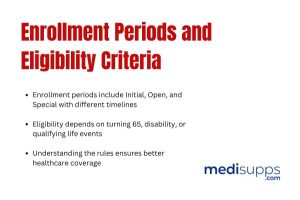
Eligibility for Medigap Plan C hinges on specific criteria, particularly due to changes implemented in 2020. Medigap Plan C was discontinued for new enrollees starting January 1, 2020.
This means that new Medicare enrollees after this date will not have access to Medigap Plan C or F.
Individuals who are eligible for Medicare on or before December 31, 2019, have the option to enroll in Medigap Plan C. This opportunity remains available to those who are enrolled in Medigap Plan C.
Those who already had Medigap Plan C before 2020 can maintain their coverage as long as it continues to be offered by their provider. This ensures that current holders will not lose their coverage despite the new regulations.
Insurance companies may deny a Medigap policy after the Open Enrollment Period unless specific conditions are met. Therefore, timely enrollment is crucial for securing Medigap Plan C.
Comparing Medigap Plan C to Other Plans
When comparing Medigap Plan C to other plans, it’s clear that each has its unique advantages and limitations. Plan C offers broader coverage, including the Part B deductible, which is not covered by Plan D.
This makes Plan C more comprehensive for those looking to minimize out-of-pocket expenses.
Plan G is another popular option, similar to Plan C but without coverage for the Part B deductible. While Plan G is often regarded as a comprehensive alternative, beneficiaries may end up paying more out-of-pocket due to this exclusion.
Plan N, on the other hand, provides lower premiums compared to Plan C but requires copayments for certain doctor visits.
Plan C premiums are slightly higher compared to Plans D, G, or N. Additionally, costs associated with Medigap plans can vary based on factors such as location and plan type. Weighing these factors helps you choose the plan that best suits your healthcare needs and financial situation.
Costs Associated with Medigap Plan C

The costs associated with Medigap Plan C can vary significantly. Premiums for Medigap plans differ based on the insurance provider and the individual’s location. Shopping around and comparing different providers is essential to finding the best rates.
Not all Medigap plans are priced the same, even for the same plan letter. Therefore, obtaining quotes from multiple companies is advisable. Additionally, insurance companies may offer various discounts that can influence the overall cost of Medigap coverage.
Remember, choosing a Medigap policy may involve additional costs like the monthly Medicare Part B premium.
Moreover, the cost of a Medigap policy typically increases annually. Planning for these annual increases can help manage your budget effectively.
How to Enroll in Medigap Plan C
Enrolling in a Medigap Plan C involves several steps, starting with comparing offerings from different insurance providers licensed in your state. Costs can vary significantly between providers, so obtaining quotes from multiple companies is essential.
Once you’ve selected a provider, it’s important to read the summary of your Medigap policy carefully before finalizing your application. This ensures that you fully understand the coverage, costs, and any limitations that may apply.
These steps ensure you can make a responsible, informed decision and secure the Medigap coverage that best meets your healthcare needs.
Compare Medicare Plans & Rates in Your Area
Advantages of Choosing Medigap Plan C
Choosing Medigap Plan C offers several advantages. One of the primary benefits is the extensive coverage, including costs for hospital stays and skilled nursing facility care. This comprehensive coverage can significantly reduce out-of-pocket expenses.
Another advantage is the coverage for emergency foreign travel health care service, providing peace of mind for those traveling outside the U.S. This feature is not typically available in other plans, and it can be enhanced with supplemental coverage.
Additionally, Medigap Plan C allows beneficiaries to access a wider range of healthcare providers without needing referrals. This flexibility can be a significant benefit for those seeking specialized care.


Alternatives to Medigap Plan C
For those who may not qualify for Medigap Plan C, there are viable alternatives such as Plans D and N.
Plan D offers benefits similar to Plan C but with lower premiums. Some individuals may choose Plan D for its comparable benefits and different coverage limits.
Plan N is another option, featuring lower premiums but requiring some copayments to pay for visits. This plan may appeal to those seeking to balance lower premiums with substantial coverage for medical expenses.
Choosing between Plans D and N can provide comparable coverage to Plan C at reduced costs, making them attractive alternatives for many Medicare beneficiaries.
Summary
Medigap plans provide nationwide coverage, offering significant flexibility and freedom to choose healthcare providers. By understanding the coverage, costs, and eligibility criteria of Medigap Plan C, Medicare beneficiaries can make informed decisions about their healthcare needs, including AARP Medicare supplement plans.
For more information on 2026 Medicare Supplement options and AARP Medicare Supplement plan options, call 1-888-891-0229.
Frequently Asked Questions
- Who is eligible for Medigap Plan C?
Individuals who were eligible for Medicare on or before December 31, 2019, can enroll in Medigap Plan C; however, new enrollees after January 1, 2020, are not eligible.
- What does Medigap Plan C cover?
Medigap Plan C covers inpatient hospital care, Part B coinsurance, skilled nursing facility coinsurance, emergency care abroad, and the first three pints of blood used in medical treatments.
- What are the exclusions in Medigap Plan C?
Medigap Plan C excludes long-term care, cosmetic procedures, routine vision care, hearing aids, dental services, and prescription drugs. It is essential to understand these limitations when choosing a Medicare supplement plan.
- How do I enroll in Medigap Plan C?
To enroll in Medigap Plan C, you should compare offerings from licensed insurance providers, obtain quotes, and thoroughly review the policy summary before completing your application.
- What are the alternatives to Medigap Plan C?
Medigap Plans D and N are viable alternatives to Plan C, providing comparable benefits but with varying coverage limits and potentially lower premiums. It is advisable to evaluate these options based on individual healthcare needs.