

by Russell Noga | Updated August 13th, 2025
Curious about Medicare Supplement Plans Vermont 2026? This article covers the available plans, their coverage benefits, and essential enrollment tips, helping you make an informed decision for your healthcare needs.
Key Takeaways
- Medicare Supplement plans in Vermont help cover out-of-pocket costs not paid by Original Medicare, with options varying in coverage and premiums.
- Plan G and Plan N are popular choices, offering comprehensive coverage and cost-effective alternatives respectively, with Plan G covering most healthcare expenses and Plan N requiring some copayments.
- Enrollment in Medicare Supplement plans requires being enrolled in Medicare Part A and B, and beneficiaries must also consider separate enrollment for prescription drug coverage through Medicare Part D.
Compare 2026 Plans & Rates
Enter Zip Code
Overview of Medicare Supplement Plans in Vermont

Medicare Supplement plans in Vermont for 2026 are designed to help cover gaps in costs not paid by traditional Medicare. These plans, also known as Medigap, provide a safety net for expenses that Original Medicare does not cover, such as copayments, coinsurance, and deductibles. This can be particularly beneficial for those who frequently use medical services or require ongoing care.
In Vermont, like in other states, these plan benefits are standardized and regulated to ensure consistency and fairness. This means that the basic benefits of each plan type are the same, regardless of the insurance company offering it. However, premiums can vary, so it’s important to shop around and compare options to find the best fit for your needs and budget.
Plan Options and Coverage
Medigap policies are designed to cover health care expenses that Original Medicare does not, effectively reducing out-of-pocket costs. When evaluating Medicare Supplement plans, it’s essential to consider the coverage options they provide, as they can vary significantly from one plan to another. For instance, some plans might cover all of your Part A and Part B coinsurance, while others may only cover a portion.
Certain Medicare Supplement plans may include extra perks like wellness programs and coverage for preventive services, enhancing the overall healthcare experience. Additionally, some plans might offer benefits such as vision or dental coverage, which can add significant value and help manage overall health care costs.
Plan G

Plan G provides comprehensive coverage that includes hospital costs, doctor visits, and skilled nursing care without deductibles or copayments. This plan is highly recommended for those seeking extensive coverage, as it covers all gaps left by Medicare except for the annual Part B deductible. With Plan G, you can enjoy peace of mind knowing that most healthcare costs will be covered, allowing you to focus on your health rather than worrying about unexpected bills. Additionally, this plan aims to provide coverage for a wide range of medical expenses.
Enrollees in Plan G typically pay a monthly premium, but they avoid high out-of-pocket costs for services covered under the plan. Furthermore, they have the freedom to see any doctor that accepts Medicare without needing referrals or prior authorization. This flexibility, combined with comprehensive coverage, makes Plan G a popular choice among beneficiaries.
Plan N

Medicare Supplement Plan N is designed to provide additional coverage beyond Original Medicare, addressing gaps related to deductibles, copayments, and coinsurance. One of the main features of Plan N is that it covers all Medicare Part A coinsurance costs and the initial three pints of blood required for medical procedures. However, it requires a copayment of $20 for doctor visits and $50 for emergency room visits that do not result in hospital admission.
For individuals looking for a more cost-effective option, Plan N typically has lower monthly premiums compared to more comprehensive plans like Plan G. This makes it particularly suitable for those who want to save on monthly costs while still having substantial coverage for medical expenses.
With over 1.3 million enrollees in 2021, Plan N’s popularity is a testament to its value.
Comparing Medicare Supplement Plans
Medicare Supplement Insurance, or Medigap, includes 10 standardized plans identified by letters, each offering a distinct set of benefits.
The plans are as follows:
- Plan F: Offers the most extensive coverage.
- Plan G: A popular alternative to Plan F, covering nearly all benefits minus the Medicare Part B deductible.
- Plan N: Requires some out-of-pocket costs through copayments for specific services while still covering most Medicare expenses.
When comparing these plans, it’s important to consider factors such as cost, coverage needs, provider networks, and quality ratings. While benefits are standardized across companies, premiums can differ significantly based on the insurer and the state. Additionally, not all Medigap plans are available in every region, making local comparison essential for finding suitable options.
High Deductible Plan G
The high deductible version of Plan G is available for individuals who are new to Medicare on or after January 1, 2020. This option is designed for those who prefer lower monthly premiums in exchange for a higher annual deductible. As of January 1, 2025, the annual deductible for high deductible plans G, F, and J is set at $2,870. Beneficiaries must cover this deductible amount out-of-pocket before the high deductible plans begin providing benefits.
The deductible for high deductible Plans G, F, and J is adjusted annually based on the Consumer Price Index for Urban Consumers. This adjustment ensures that the deductible amount keeps pace with inflation, providing a more predictable financial commitment for plan holders.
High Deductible Plan G can be an attractive option for those who are relatively healthy and do not anticipate high medical expenses but want the security of comprehensive coverage in case of significant health issues.

Compare Medicare Plans & Rates in Your Area
Eligibility Requirements
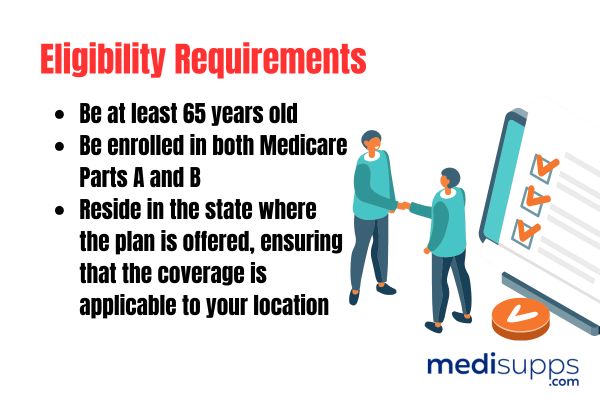
To qualify for Medicare Supplement plans in Vermont, individuals must be enrolled in Medicare Part A and Part B. Eligibility may also depend on factors such as age, residency, and specific health conditions. It’s crucial to ensure you meet these requirements before applying to avoid any delays in coverage.
Applicants typically need to provide their Medicare number and other personal identification when enrolling in a Medicare Supplement plan. Proof of previous health coverage may also be required to facilitate enrollment in a new plan. Having all necessary documents ready can streamline the enrollment process and ensure a smooth transition to your new plan.
Costs and Premiums
Individuals with Medigap insurance usually pay both their Medicare Part B premium and an additional premium for their Medigap policy. Out-of-pocket costs under Medicare can include premiums, deductibles, copayments, and coinsurance. Knowing these costs is vital for budgeting and making informed healthcare coverage decisions.
Costs can vary significantly based on the plan and insurer. Comparing different plans and their associated premiums can help find the best fit for your financial situation. Evaluating both the monthly premium and potential out-of-pocket costs can help in choosing a plan that offers the best value for your needs.
Additional Benefits
Prescription drug coverage is an important aspect of Medicare Supplement plans in Vermont, ensuring beneficiaries have access to necessary medications. However, Medicare Supplement plans do not include prescription drug coverage; beneficiaries typically utilize Medicare Part D for this purpose. This separation requires enrolling in both a Medigap plan and a Part D plan to ensure comprehensive coverage.
Beneficiaries can obtain prescription drug benefits through Medicare Part D, which complements Medicare Supplement plans. This dual approach allows you to tailor your healthcare coverage to your specific needs, ensuring you have access to the medications you require without incurring excessive costs.
How to Enroll in a Medicare Supplement Plan in Vermont
Gathering all required documentation before starting the enrollment process helps avoid delays. This includes your Medicare card, proof of residency, and other identification details. Preparing these documents in advance can help ensure a smooth and efficient enrollment process.
Enrollment Periods
The open enrollment period for Medicare Supplement plans allows individuals to enroll without medical underwriting. It begins when you first enroll in Medicare Part B and lasts for six months. During this period, you can choose any Medigap plan available in your area without concern for being denied coverage due to pre-existing conditions.
The guaranteed issue period for enrolling in a Medicare Supplement plan begins when a person’s previous Medicare Advantage plan is terminated and lasts for 63 days. During this period, individuals can switch to a Medicare Supplement plan without medical underwriting. This serves as a crucial safety net for those whose current plans are no longer available.
Is there an Open enrollment after the Initial enrollment
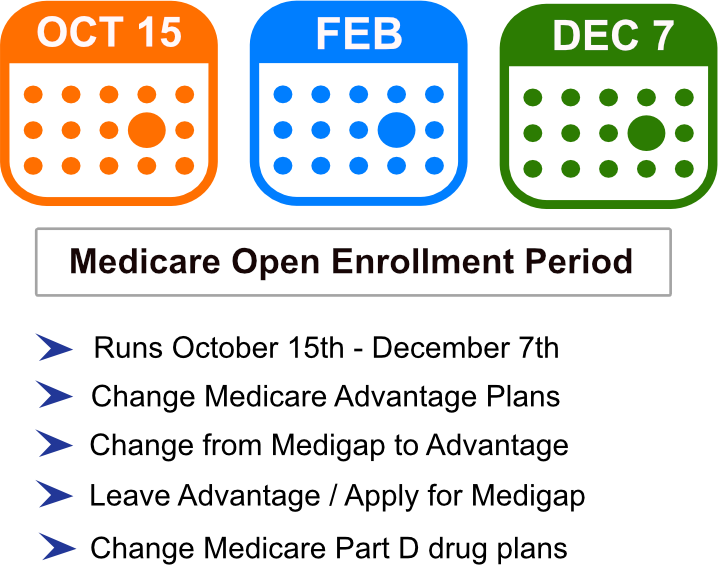
Individuals can change their Medicare plans during designated enrollment periods, including the Open Enrollment Period from October 15 to December 7. This period allows beneficiaries to review their current coverage and make changes if necessary to better meet their needs.
After the initial enrollment period, individuals can use the Fall Open Enrollment Period each year to make changes to their Medicare coverage. This annual opportunity allows beneficiaries to adjust their plans as their healthcare needs evolve, offering ongoing flexibility and choice.
How to change plans
During the Medicare Advantage Open Enrollment Period from January 1 to March 31, beneficiaries can switch or drop their Medicare Advantage plan. This period provides the flexibility to evaluate current plans and make necessary changes.
Individuals can change Medicare plans during the Fall Open Enrollment Period from October 15 to December 7 or the Medicare Advantage Open Enrollment Period from January 1 to March 31. This provides multiple windows each year to adjust coverage and ensure it meets personal health needs.
Required Documentation
The enrollment process for Medicare Supplement plans involves specific steps that prospective beneficiaries must follow to successfully enroll. Having the required documentation ready and understanding the enrollment periods are crucial for smooth enrollment in Medicare Supplement plans.
To enroll in a Medicare Supplement plan, you will need to provide essential documentation including your Medicare card and proof of residency. Documents required for Medicare enrollment include your Medicare card, proof of residency, and relevant financial information. Being prepared with these documents can streamline the process and ensure timely enrollment.
Understanding Health Care Costs with Medicare Supplement Plans
When assessing Medicare Supplement plans, consider factors such as coverage levels, out-of-pocket costs, and specific health needs. Managing health care costs is vital for individuals relying on Medicare due to potential unexpected medical expenses. Medicare Supplement plans cover costs that Original Medicare does not, including copayments, coinsurance, and deductibles.
Choosing the right Medicare Supplement plan can significantly reduce out-of-pocket medical expenses, resulting in more predictable and manageable health care costs. This predictability is invaluable for budgeting and financial planning, allowing you to focus on your health rather than financial concerns.
Out-of-Pocket Costs
Out-of-pocket costs are the expenses that beneficiaries must pay for healthcare services that Medicare does not fully cover. These costs can vary based on the specific Medicare plan and can include premiums, deductibles, and coinsurance. Knowing these costs is crucial for making informed decisions about your healthcare coverage and managing your budget effectively.
Medicare Supplement plans are designed to help cover costs that are not fully paid by Medicare, providing financial relief for out-of-pocket expenses. By filling the gaps left by Original Medicare, these plans can significantly reduce overall healthcare expenses and offer a more predictable and manageable financial outlook.
Copayments, Coinsurance, and Deductibles
Copayments are fixed amounts paid for specific services, such as a doctor’s visit or prescription medication. Coinsurance, on the other hand, is a percentage of costs shared after meeting the deductible. For example, if your plan has a 20% coinsurance rate, you would pay 20% of the costs after the deductible is met, while the insurance covers the remaining 80%.
Knowing both copayments and coinsurance can help beneficiaries better anticipate their health care costs under Medicare Supplement plans. Understanding these terms and how they apply to your plan makes it easier to plan for routine medical expenses and avoid surprises.
Prescription Drug Coverage in Medicare Supplement Plans
In Vermont, Medicare Supplement plans do not include prescription drug coverage; beneficiaries must enroll in Medicare Part D separately. Prescription drug coverage is essential for Medicare beneficiaries in Vermont to ensure access to necessary medications. Without this coverage, out-of-pocket medication costs can be prohibitively high.
To get prescription drug coverage, beneficiaries must enroll in Medicare Part D since it is not included in Medicare Supplement plans. This step ensures comprehensive coverage for medical and prescription drug needs.
Integration with Medicare Part D
Medicare Supplement plans work in conjunction with Medicare Part D, allowing beneficiaries to obtain prescription drug coverage while also leveraging supplemental benefits. This integration allows effective management of both medical and prescription drug costs. Medicare Supplement plans complement Medicare Part D by covering out-of-pocket costs from prescription drugs, though they do not provide the drug coverage themselves.
Beneficiaries can select a Medicare Part D plan that complements their Medicare Supplement plan for comprehensive drug coverage. Enrolling in a Medicare Supplement plan does not affect eligibility for Medicare Part D coverage. This flexibility allows you to tailor your coverage to your specific healthcare needs.
Commonly Covered Drugs
Medicare Supplement plans typically include a range of commonly prescribed medications, although there may be specific limitations or exclusions based on the plan. Typically covered medications include widely used generics and brand-name drugs, but plans may impose specific limitations on certain high-cost drugs. Understanding what medications are covered can help you choose the right Part D plan to complement your Medicare Supplement coverage.
The list of covered drugs can change throughout the year, often adding new medications with limited availability. Staying informed about changes ensures access to needed medications without unexpected costs.
Compare 2026 Plans & Rates
Enter Zip Code
Summary
Navigating Medicare Supplement plans in Vermont can be complex, but understanding the options available and the benefits they provide can make the process easier. Plans like G and N offer varying levels of coverage and cost, allowing you to choose one that best fits your healthcare needs and budget. By comparing different plans, understanding the associated costs, and knowing the enrollment periods, you can make an informed decision.
Ultimately, the right Medicare Supplement plan can provide significant peace of mind by covering gaps left by Original Medicare, managing out-of-pocket costs, and ensuring access to necessary medical care and medications. As you prepare for 2026, consider your health needs, financial situation, and the specific benefits of each plan to find the best coverage for you.
Frequently Asked Questions
What is the main difference between Plan G and Plan N?
The main difference between Plan G and Plan N is that Plan G provides more comprehensive coverage with no copayments, while Plan N has lower premiums but requires copayments for certain services, such as doctor and emergency room visits. Choose based on your budget and healthcare needs.
Can I enroll in a Medicare Supplement plan at any time?
You cannot enroll in a Medicare Supplement plan at any time; you must do so during specific enrollment periods, such as the open enrollment or guaranteed issue periods, to avoid medical underwriting. It’s crucial to plan accordingly to ensure you secure the coverage you need.
Do Medicare Supplement plans cover prescription drugs?
Medicare Supplement plans do not cover prescription drugs; you will need to enroll in Medicare Part D for that coverage.
What documentation is required to enroll in a Medicare Supplement plan?
To enroll in a Medicare Supplement plan, you will need your Medicare card, proof of residency, and personal identification details. Ensuring you have these documents ready will facilitate a smooth enrollment process.
How do I change my Medicare Supplement plan if my needs change?
You can change your Medicare Supplement plan during the Medicare Advantage Open Enrollment Period from January 1 to March 31, or during the Fall Open Enrollment Period from October 15 to December 7. Be sure to review your options carefully during these times to ensure your needs are met.
Speak to the Professionals about Medigap Plans and Original Medicare
If you find understanding the benefits involved with Original Medicare and Medigap Plans challenging, you’re not alone. Whether it’s a Medigap plan, or you want to know more about the Medicare Supplement Plans Vermont 2026, we can help. Call our team at 1-888-891-0229 for a free consultation or complete the contact form on this site, and an expert will call you back at a convenient time.
We have decades of experience advising our clients on the complexities of Medicare and Medigap plans, the benefits, costs and deductibles. We’ll ensure you get the best rate in your state and advice you can trust.


Russell Noga is the CEO and Medicare editor of Medisupps.com. His 15 years of experience in the Medicare insurance market includes being a licensed Medicare insurance broker in all 50 states. He is frequently featured as a featured as a keynote Medicare event speaker, has authored hundreds of Medicare content pages, and hosts the very popular Medisupps.com Medicare Youtube channel. His expertise includes Medicare, Medigap insurance, Medicare Advantage plans, and Medicare Part D.