

by Russell Noga | Updated September 5th, 2025
Wondering if you can change Medicare Supplement plans with pre-existing conditions? Yes, you can. This article guides you through the process of changing Medicare Supplement plans with pre-existing conditions, key timelines, and what to watch out for when switching your Medigap policy.
Key Takeaways
- Pre-existing conditions don’t prevent enrollment in Original Medicare, but they can complicate switching Medigap plans due to varying eligibility rules and medical underwriting.
- The Medigap Open Enrollment Period allows beneficiaries to switch plans without facing medical underwriting; missing this window could lead to more costly transitions.
- Switching Medicare Supplement plans involves systematic steps: review current coverage, research new options, contact insurers, and complete enrollment to ensure a smooth transition.
Compare 2025 Plans & Rates
Enter Zip Code
Understanding Pre-Existing Conditions and Medicare Supplement Plans
A pre-existing condition is any health issue that you had before the start of a new health insurance plan. These medical conditions can range from chronic diseases like diabetes and heart disease to mental health disorders and even certain cancers. When it comes to health insurance coverage, pre-existing conditions have historically been a sticking point. However, you cannot be denied Original Medicare coverage due to a pre existing health condition.
Medigap policies, which are also known as Medicare Supplement plans, provide additional coverage that Original Medicare doesn’t, such as copayments, coinsurance, and deductibles. While Medigap plans can cover pre-existing conditions, different eligibility rules apply. For instance, some states have unique rules regarding Medigap coverage for pre-existing conditions. These nuances are important for anyone looking to switch Medigap policies.
Can You Change Medicare Supplement Plans with Pre-Existing Conditions?
Yes, you can switch Medicare plans. This is true even if you have pre-existing conditions. However, it’s not always a straightforward process. If you apply outside of open enrollment periods, insurance companies could review your medical history. They may also impose waiting periods for pre-existing conditions. This means that while you can switch plans, approval is not guaranteed, especially if you have health conditions that require long-term or expensive treatments.
Be aware that while you cannot be denied coverage based on pre-existing conditions once enrolled, premium rates may still be affected. Changes can be made during specific enrollment periods, such as open enrollment or special enrollment periods, which we will explore in the next sections.
The Role of Open Enrollment Periods in Changing Plans
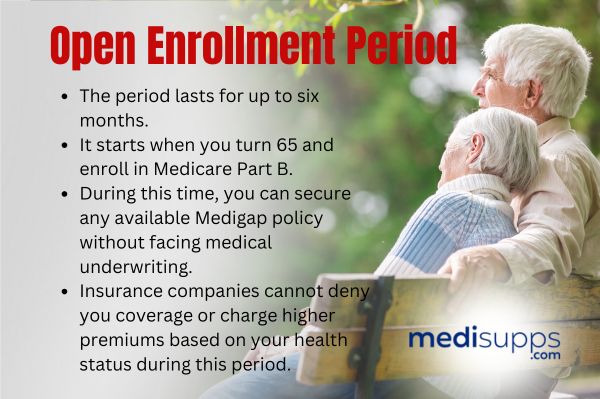
The Medigap Open Enrollment Period is a golden window of opportunity for anyone looking to switch Medicare Supplement plans. Key details include:
- The period lasts for up to six months.
- It starts when you turn 65 and enroll in Medicare Part B.
- During this time, you can secure any available Medigap policy without facing medical underwriting.
- Insurance companies cannot deny you coverage or charge higher premiums based on your health status during this period.
Switching plans during this period ensures that you won’t face the usual hurdles, such as waiting periods or higher premiums due to pre-existing conditions. Following a systematic approach when changing Medicare supplement plans ensures the best fit for your healthcare needs.
Missing this window can make the process more complicated, as you may face restrictions and increased costs related to your health conditions.
Special Enrollment Periods and Guaranteed Issue Rights
Life happens, and sometimes those life events grant you another chance to enroll in a Medigap policy outside the standard enrollment timelines. These are known as special enrollment periods. Certain qualifying events, such as losing other health coverage or moving to a new area, can trigger a special enrollment period, allowing you to switch plans without facing medical underwriting.
Guaranteed issue rights are another critical aspect. These rights allow you to buy a Medigap policy outside the Open Enrollment Period without facing denial based on health conditions. However, these rights vary by state, and federal law does not require insurers to sell Medigap policies to those under 65. Understanding your state’s specific protections can help you navigate these waters more effectively.
Medical Underwriting and Its Impact on Plan Changes

Medical underwriting is the process by which insurance companies evaluate your health status to determine coverage and premium rates. When switching Medicare Supplement plans outside of the Open Enrollment Period, medical underwriting can become a significant hurdle. Insurers have the ability to deny coverage based on your health conditions. They can also choose to charge higher premiums in such cases.
Medigap policies typically require applicants to answer health questions, which are critical in determining both acceptance and premium rates. Each medigap insurance company and medigap insurers have unique underwriting criteria, and certain pre-existing conditions, especially chronic ones, may result in a denial of coverage. However, being denied by one insurer does not affect your eligibility with others, as some may have more lenient underwriting.

Compare Medicare Plans & Rates in Your Area
Comparing Medicare Supplement Plans
When it comes to switching Medicare Supplement plans, comparing different options is crucial. Medigap policies vary significantly in the benefits they cover, which can affect overall healthcare costs. Analyzing the specific benefits provided by each Medigap plan helps determine what aligns with your healthcare needs.
Premiums for Medicare supplement plans can differ widely, impacting your monthly budgeting and overall healthcare expenditure. Consider factors such as the financial stability of the insurance provider, the coverage options, and any network restrictions when evaluating new Medicare supplement options. These evaluations can help you make an informed decision that suits your needs and financial situation.
Evaluating Coverage Needs
Assessing your healthcare needs is the first step in determining if your current Medicare supplement plan meets your requirements. Start by assessing your current plan to pinpoint any deficiencies or areas needing improvement. Identify specific areas of your plan that may not adequately meet your healthcare needs.
Consider any anticipated healthcare changes in your future, such as surgeries or treatment for chronic conditions and doctor visits. Knowing potential future health issues is crucial for selecting a Medicare supplement plan that offers sufficient coverage, including a Medicare plan and a Medicare Advantage plan.
This ensures that your new plan will provide better coverage for your evolving healthcare needs.
Financial Considerations
Changing Medicare supplement plans involves various financial factors such as out-of-pocket costs and premium differences. Financial considerations are vital when switching plans, as they can impact overall healthcare affordability. Understanding potential out-of-pocket costs can help beneficiaries make informed choices when switching plans.
Premium differences between plans can significantly affect the total cost of coverage, making it essential to compare options carefully. Evaluating these financial aspects allows you to choose a plan that offers lower costs without compromising on the coverage you need.
Steps to Switch Medicare Supplement Plans
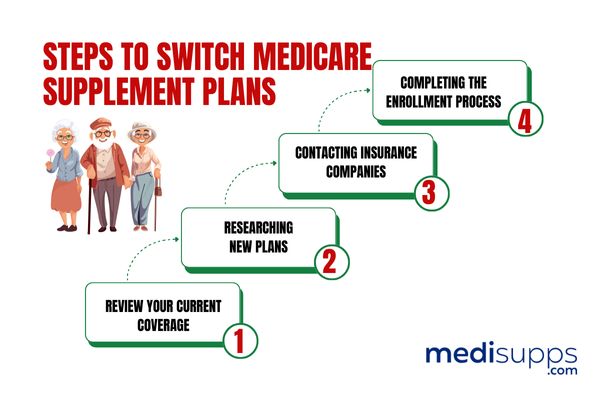
Switching Medicare Supplement plans requires a systematic approach to ensure the best choice for your healthcare needs. The process involves several steps:
- Reviewing your current coverage
- Researching new plans
- Contacting insurance companies
- Completing the enrollment process
Each step is crucial for a smooth transition.
Following these steps helps you navigate the complexities of switching plans and find a Medicare supplement plan that better suits your needs. Let’s delve into each step in detail to make this process as straightforward as possible.
Step 1: Review Current Coverage
The first step in switching Medicare Supplement plans is to review your current coverage. This involves identifying gaps or issues in your existing coverage. It’s essential to check whether your preferred healthcare providers are part of the new Medicare supplement plan.
Using the information gathered during the review process will help in deciding whether to switch plans. Understanding the limitations and benefits of your current plan helps you make a more informed decision about whether a new plan might offer better coverage for your needs.
Step 2: Research New Plans
When researching new Medicare supplement plans, consider factors such as longevity, brand reputation, and customer reviews of the insurance carriers. Evaluating these factors can help you identify reliable and cost-effective options.
Make sure to compare the specific benefits, costs, and network restrictions of each plan to find the best fit for your healthcare needs.
Step 3: Contact Insurance Companies
When initiating discussions with potential insurers, consider the following steps:
- Understand the available plans and their features.
- Inquire about the specific features and costs of the plans you are interested in.
- Keep records of all communications with private insurance companies during the switching process.
Please reach out to your current plan provider. Inform them about your decision to switch.
Step 4: Complete Enrollment
Completing your enrollment involves filling out necessary forms and providing documentation to confirm your eligibility for the new plan, including any information related to national origin. Ensure all enrollment documents are filled out accurately to prevent delays in obtaining new coverage.
Upon deciding on a new Medigap plan, notify your current provider of your intention to switch. This ensures uninterrupted coverage during the transition.
Potential Challenges When Switching Plans
Switching Medicare Supplement plans with pre-existing conditions comes with its own set of challenges. One major concern is the potential for different out-of-pocket expenses, including copays and deductibles. To avoid gaps in coverage, it’s important to complete the enrollment process before any deadlines.
Another significant challenge is the risk of being denied coverage by the new plan. If you cancel your current Medicare supplement policy, you run the risk of being denied coverage from the new plan. In that case, you may not be able to return to your old plan. Understanding your options and limitations is crucial. This knowledge assists in making informed decisions about healthcare coverage.
Protecting Yourself During the Transition

During the transition to a new Medicare supplement plan, it’s essential to protect yourself by ensuring a smooth process. Key steps include:
- Understand the new plan’s coverage, network, and costs to confirm that it meets your healthcare needs.
- Check that your new plan covers the same healthcare providers.
- Verify that your medications are included in the new plan’s formulary.
Confirming these details will help you avoid any unexpected costs or disruptions in your healthcare services. Taking these precautions ensures that the transition to your new Medicare supplement plan is as seamless as possible.
Compare 2025 Plans & Rates
Enter Zip Code
Summary
Switching Medicare Supplement plans with pre-existing conditions can be a complex process, but understanding the rules and taking a systematic approach can make it manageable. Key points to remember include the importance of enrollment periods, the impact of medical underwriting, and the need to thoroughly compare new plans.
By following the steps outlined in this guide, you can navigate the transition smoothly and find a plan that better suits your healthcare needs. Take informed actions, and don’t hesitate to seek professional advice if needed. Your health is worth the effort.
Frequently Asked Questions
Can I switch Medicare Supplement plans with pre-existing conditions?
You can switch Medicare Supplement plans with pre-existing conditions, but approval isn’t guaranteed, and you may encounter waiting periods if you do so outside of open enrollment. It’s essential to consider these factors before making a change.
What is the Medigap Open Enrollment Period?
The Medigap Open Enrollment Period is a six-month window that begins when you turn 65 and enroll in Medicare Part B, allowing you to obtain any Medigap policy without medical underwriting. This opportunity is crucial for securing supplemental insurance coverage.
What are guaranteed issue rights?
Guaranteed issue rights enable you to purchase a Medigap policy outside of the Open Enrollment Period without being denied due to health issues, typically activated by specific life events.
How does medical underwriting affect switching plans?
Medical underwriting can lead to denial of coverage or increased premiums due to your health conditions, making it crucial to switch plans only during open enrollment periods to avoid these issues.
What should I consider when comparing Medicare Supplement plans?
When comparing Medicare Supplement plans, it’s essential to assess the specific benefits, costs, and any network restrictions, as well as the financial stability and reputation of the insurance provider. This approach ensures you choose a plan that meets your needs effectively.
Speak to the Professionals about Medigap Plans and Original Medicare
If you find understanding the benefits involved with Original Medicare and Medigap Plans challenging, you’re not alone. Whether it’s a Medigap plan, or you want to know more about the Changing Medicare Supplement Plans with Pre Existing Conditions, we can help. Call our team at 1-888-891-0229 for a free consultation or complete the contact form on this site, and an expert will call you back at a convenient time.
We have decades of experience advising our clients on the complexities of Medicare and Medigap plans, the benefits, costs and deductibles. We’ll ensure you get the best rate in your state and advice you can trust.


Russell Noga is the CEO and Medicare editor of Medisupps.com. His 15 years of experience in the Medicare insurance market includes being a licensed Medicare insurance broker in all 50 states. He is frequently featured as a featured as a keynote Medicare event speaker, has authored hundreds of Medicare content pages, and hosts the very popular Medisupps.com Medicare Youtube channel. His expertise includes Medicare, Medigap insurance, Medicare Advantage plans, and Medicare Part D.