

by Russell Noga | Updated August 4th, 2025
Looking for updates on Medicare Supplement plans Washington State 2026? This article explains the new regulations, plan changes, and how they affect your coverage and costs. Get ready to navigate your Medigap options with confidence.
Key Takeaways
- Medicare Supplement Plans (Medigap) in Washington State cover costs not fully paid by Original Medicare, helping beneficiaries manage out-of-pocket expenses.
- Key Medigap options include Plans N, F, and G, each offering varying levels of coverage, with Plan G being an appealing alternative for new enrollees seeking comprehensive benefits.
- Understanding eligibility requirements, enrollment periods, and the differences between Medigap and Medicare Advantage plans is crucial for making informed decisions about coverage.
Compare 2026 Plans & Rates
Enter Zip Code
Understanding Medicare Supplement Plans (Medigap) in Washington State

Medicare Supplement insurance, commonly referred to as Medigap, serves a vital role in covering costs that Original Medicare does not fully pay for, such as deductibles, copayments, and coinsurance. Private insurers sell these plans, ensuring that Medicare beneficiaries can minimize their out-of-pocket expenses and focus on their health needs. In Washington State, Medigap plans are tailored to help cover these additional costs, providing a safety net for enrollees.
Understanding the benefits and choices available with Medigap requires knowledge of the specific coverage options, individual plans such as N, F, and G, as well as the eligibility requirements and enrollment periods. This guide offers a comprehensive overview to assist you in navigating your options.
Coverage Options
Medicare beneficiaries in Washington State should be aware of the various Medigap coverage options. These plans are standardized and labeled with letters A through N, each providing different levels of coverage for out-of-pocket Medicare expenses. For example, Blue Cross Blue Shield offers a variety of plans such as A, B, C, D, F, G, K, L, M, and N, catering to a range of financial and healthcare needs.
Humana’s Medigap plans are also recognized for competitive pricing and comprehensive coverage options, including a high-deductible Plan G for those seeking lower premiums. These plans cover costs not paid by Original Medicare, such as deductibles and copayments, and some offer additional benefits like foreign travel emergency care.
Choosing the right plan depends on balancing your healthcare needs with financial considerations, ensuring you have adequate protection against unforeseen medical expenses.
Plan N
Plan N is a favored Medigap option, balancing comprehensive coverage with lower premium costs. It covers coinsurance for hospital stays and hospice care, but members pay copayments for doctor or emergency room visits. Beneficiaries pay up to $50 for emergency room visits and up to $20 for some office visits, unless admitted to the hospital.
Plan N does not cover the Medicare Part B deductible or any excess charges, and it excludes prescription drugs, dental, vision, and hearing services. Despite these limitations, its lower premiums make it appealing for those seeking to manage healthcare costs while still receiving substantial coverage.
Plan F
Medicare Plan F is well-known for its comprehensive coverage, favored by beneficiaries eligible for Medicare before January 1, 2020. It covers nearly all out-of-pocket costs associated with Original Medicare, including copayments, coinsurance, and deductibles, ensuring that individuals with high medical expenses can reduce their out-of-pocket costs significantly.
However, it’s important to note that Plan F is no longer available to new enrollees who became eligible for Medicare after January 1, 2020. The premiums for Plan F can vary widely based on factors such as age, location, and health, and they tend to be higher compared to other Medigap plans.
Despite its high cost, the comprehensive benefits of Plan F continue to provide significant savings for eligible beneficiaries.
Plan G
Plan G has become a popular alternative to Plan F, especially for new Medicare beneficiaries. It offers nearly the same coverage as Plan F, excluding only the Medicare Part B deductible. Plan G is available as a high-deductible option, with the annual deductible set at $2,870 for 2025 and adjusted annually based on the Consumer Price Index for Urban Consumers.
This plan covers all other gaps in Original Medicare, including coinsurance, copayments, and foreign travel emergency care. For those balancing premium costs with comprehensive coverage, Plan G is a viable option, particularly with its high-deductible variant designed to lower monthly premiums.
Eligibility Requirements
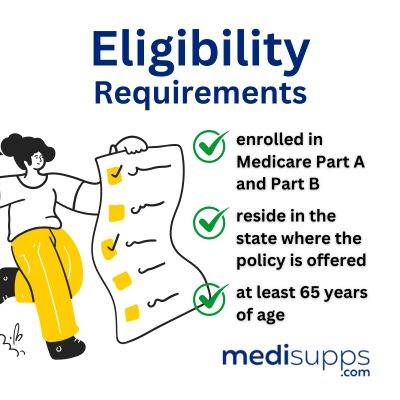
Individuals must have both Medicare Part A and Part B to qualify for a Medigap policy in Washington State. State law guarantees issue rights, allowing enrollees to switch plans without medical underwriting, offering significant flexibility and protection for beneficiaries.
Only two insurers in Washington offer Medigap coverage for individuals under 65, and their premiums are considerably higher than those for seniors.
Enrollment Periods
The Initial Enrollment Period is key for securing a Medigap policy without medical underwriting. This period starts when an individual turns 65 and is enrolled in Medicare Part B, lasting six months. Enrolling during this window ensures guaranteed acceptance and the best rates, making it the ideal time to choose a Medigap plan.
Comparing Medigap Plans vs. Medicare Advantage Plans
Understanding the fundamental differences between Medigap and Medicare Advantage plans is essential. Medicare Advantage plans, or Part C, provide Medicare benefits through private insurers and may include additional services beyond Original Medicare. They typically offer all-in-one coverage, encompassing hospital and outpatient services, and often include additional benefits like vision and dental coverage.
Medigap plans are designed to cover additional out-of-pocket costs not addressed by Original Medicare. They provide flexibility to choose any doctor who accepts Medicare, without the network restrictions often associated with Medicare Advantage plans.
Cost Comparison

Cost is a major factor when comparing Medigap and Medicare Advantage plans. Standardized Medigap policies offer the same benefits across different insurers, but costs can vary. Medigap plans often have a monthly premium ranging from $65 to $450, depending on age and location. Evaluating premiums alongside potential out-of-pocket expenses is crucial for financial planning.
Medicare Advantage plans may offer lower premiums, sometimes as low as $0 per month. However, beneficiaries may face higher out-of-pocket expenses through copayments and deductibles when accessing care. The Medicare Plan Finder tool provides detailed cost estimates to help users assess the affordability of each plan.
Flexibility and Provider Access
A key advantage of Medigap plans is their flexibility in provider access. Beneficiaries can visit any healthcare provider that accepts Medicare, without network limitations. This freedom allows for greater choice and accessibility in healthcare.
In contrast, Medicare Advantage plans often require beneficiaries to use a network of providers, which can restrict access to care. It’s important to confirm whether preferred doctors or hospitals are included in the plan’s network to avoid unexpected costs.
While Medicare Advantage plans may start with lower premiums, the network restrictions can lead to higher out-of-pocket expenses.
Supplemental Benefits
Medicare Advantage plans often offer additional benefits not typically found in Medigap policies. These can include vision, dental, hearing coverage, and even transportation services. Many plans also provide coverage for services like hearing aids and wellness programs, enhancing their appeal to beneficiaries seeking extra coverage.
Most Medicare Advantage enrollees have access to non-medical supplemental benefits, such as transportation and meal services, which are not covered by Medigap plans. These additional benefits can significantly improve the quality of life for beneficiaries, making Medicare Advantage plans an attractive option for those needing comprehensive care. The supplemental benefit of these services enhances the overall value of Medicare Advantage.

Compare Medicare Plans & Rates in Your Area
Top Medigap Plan Providers in Washington State

Selecting the right Medigap provider is crucial for accessing reliable coverage and customer service. In Washington State, several providers stand out for their comprehensive offerings and high customer satisfaction rates.
Here are the top Medigap plan providers: AARP/UnitedHealthcare, Blue Cross Blue Shield, and Humana.
AARP/UnitedHealthcare
AARP/UnitedHealthcare is known for its broad range of Medigap plans, including plans A, B, C, F, G, K, L, and N. Their plans are competitively priced, particularly Plan G, making them attractive to many beneficiaries. Additionally, AARP/UnitedHealthcare has low complaint rates compared to competitors, indicating high customer satisfaction.
The provider also offers wellness extras, enhancing the overall value of their plans.
Blue Cross Blue Shield
Blue Cross Blue Shield offers a variety of Medigap plans across all 50 states, although specific offerings can differ by location due to its collective nature. Their Medigap plans help cover the gaps left by Original Medicare, providing reliable coverage for out-of-pocket expenses.
Customer satisfaction ratings for Blue Cross Blue Shield’s Medigap plans indicate a strong reputation for reliability and favorable experiences. However, the NAIC complaint rate for their plans is generally around industry expectations, suggesting room for improvement.
Humana
Humana offers a range of Medigap plans in Washington State, providing beneficiaries with standardized benefits from Plan A to Plan N. Humana’s strengths include competitive pricing and a variety of plan options that appeal to different preferences and needs.
However, potential drawbacks include limited availability in certain regions and potentially higher premiums for some plans compared to competitors. Despite these limitations, Humana remains a valuable option for many beneficiaries.
How to Use Medicare Plan Finder Tool

The Medicare Plan Finder tool is an invaluable resource for comparing various Medicare plans, including Medigap options. Available on the official Medicare website, this tool allows users to input personal information and receive tailored plan comparisons based on their specific health needs and preferences.
Navigating the Tool
Users can access the Medicare Plan Finder via the official Medicare website to browse through different plans. The tool provides a user-friendly interface with quick links to specific tasks, such as filtering results by plan type, coverage area, and health needs, streamlining the search process.
Inputting Personal Information
Accurate entry of personal details such as ZIP code, current medications, and preferred pharmacies is crucial for receiving tailored plan comparisons. Creating a MyMedicare account enhances the user experience by allowing individuals to save preferences and drug lists, ensuring relevant plan recommendations.
Analyzing Results
Understanding the various attributes of each plan, such as premiums, deductibles, and out-of-pocket costs, is essential for interpreting the results effectively. This helps users select options that best meet their individual preferences and healthcare requirements.
Changes to Medigap Plans in 2026

Significant changes to Medigap plans in Washington State are expected in 2026 due to new regulations and policies. These changes aim to enhance access to care and reduce out-of-pocket expenses for beneficiaries.
New Regulations
New regulations will expand eligibility for financial assistance, allowing more beneficiaries to receive help. Additionally, the negotiation results for ten expensive drugs will play a crucial role in regulating Medigap coverage and costs.
These changes aim to improve access to care and minimize out-of-pocket expenses for beneficiaries.
Impact of Inflation Reduction Act
The Inflation Reduction Act will introduce a $2,000 annual out-of-pocket spending cap for prescription medications in 2025. This cap includes deductibles, copayments, and coinsurance for covered drugs, but it does not cover premiums or non-covered drugs, which remain additional expenses for beneficiaries.
Negotiated drug prices from the Act will take effect in 2026, potentially affecting overall healthcare costs and Medigap premiums.
Proposed Rule Changes
The proposed rule issued by CMS on November 6, 2023, revises the Medicare Advantage Program, medicare program, Part D, Cost Plan Program, PACE, and Health IT standards. This rule promotes access to behavioral health care providers and builds on existing Biden-Harris policies, aiming to improve access to care for beneficiaries.
Tips for Choosing the Right Medigap Plan

Selecting the appropriate Medigap plan involves evaluating personal health requirements, financial capacity, and preferences.
This section will offer practical advice for making an informed decision.
Assessing Health Needs
Consideration of current medical conditions and anticipated future health requirements is vital when selecting a Medigap plan. Evaluating the frequency of doctor visits, current and expected health changes, and projected healthcare needs helps ensure the chosen plan meets your personal health demands.
Budget Considerations
Budget constraints play a critical role when choosing Medicare Supplement plans. Understanding how deductibles and out-of-pocket costs vary among different Medigap plans is crucial for budgeting effectively.
Evaluating specific plan features and benefits will help ensure the selected plan fits your budget and coverage needs.
Consulting with Experts
Seeking guidance from Medicare specialists can simplify the complex choices available to newly eligible beneficiaries. Medicare advisors provide tailored advice considering an individual’s specific health requirements and financial situation, helping beneficiaries navigate different plan types and enrollment deadlines.
Compare 2026 Plans & Rates
Enter Zip Code
Summary
The CareFirst Medicare Supplement 2025 plans have been designed with you in mind. From the enhanced prescription drug coverage to the expanded dental and vision benefits, from the variety of plan options to the additional services like fitness programs and caregiver resources, these plans offer comprehensive coverage tailored to your healthcare needs. Remember, understanding your plan, staying informed about updates, and utilizing in-network providers can help you maximize your benefits. The journey to better healthcare starts here.
Frequently Asked Questions
What is the difference between Medigap and Medicare Advantage plans?
Medigap plans fill gaps in Original Medicare by covering out-of-pocket expenses, whereas Medicare Advantage plans offer comprehensive coverage through private insurers, often including extra benefits like vision and dental. Understanding these differences can help you choose the plan that best meets your healthcare needs.
When is the best time to enroll in a Medigap plan?
The ideal time to enroll in a Medigap plan is during your Initial Enrollment Period, which starts when you turn 65 and are enrolled in Medicare Part B. This critical six-month window ensures you can secure coverage without medical underwriting.
What changes are expected for Medigap plans in 2026?
Significant changes are expected for Medigap plans in 2026 due to new regulations and the Inflation Reduction Act, likely enhancing access to care and lowering out-of-pocket expenses.
Why should I consult with a Medicare expert when choosing a plan?
Consulting with a Medicare expert is essential as they offer personalized guidance to match your health and financial situation, ensuring you make informed choices and avoid potential pitfalls.
Speak to the Professionals about Medigap Plans and Original Medicare
If you find understanding the benefits involved with Original Medicare and Medigap Plans challenging, you’re not alone. Whether it’s a Medigap plan, or you want to know more about the Medicare Supplement Plans Washington State 2026, we can help. Call our team at 1-888-891-0229 for a free consultation or complete the contact form on this site, and an expert will call you back at a convenient time.
We have decades of experience advising our clients on the complexities of Medicare and Medigap plans, the benefits, costs and deductibles. We’ll ensure you get the best rate in your state and advice you can trust.


Russell Noga is the CEO and Medicare editor of Medisupps.com. His 15 years of experience in the Medicare insurance market includes being a licensed Medicare insurance broker in all 50 states. He is frequently featured as a featured as a keynote Medicare event speaker, has authored hundreds of Medicare content pages, and hosts the very popular Medisupps.com Medicare Youtube channel. His expertise includes Medicare, Medigap insurance, Medicare Advantage plans, and Medicare Part D.